Sorts of Waterproofing: Discovering the Different Methods and Their Applications
Waterproofing is an important aspect of building and upkeep. It safeguards frameworks from the harmful results of water damage. There are numerous techniques readily available, each with its distinct applications and advantages. From membrane systems to cementitious services, comprehending these alternatives is vital for reliable implementation. The choice of waterproofing technique can greatly affect resilience and durability. Exploring these numerous strategies reveals their distinctive advantages and prospective difficulties, motivating additional factor to consider of ideal remedies.
Membrane Layer Waterproofing Equipments
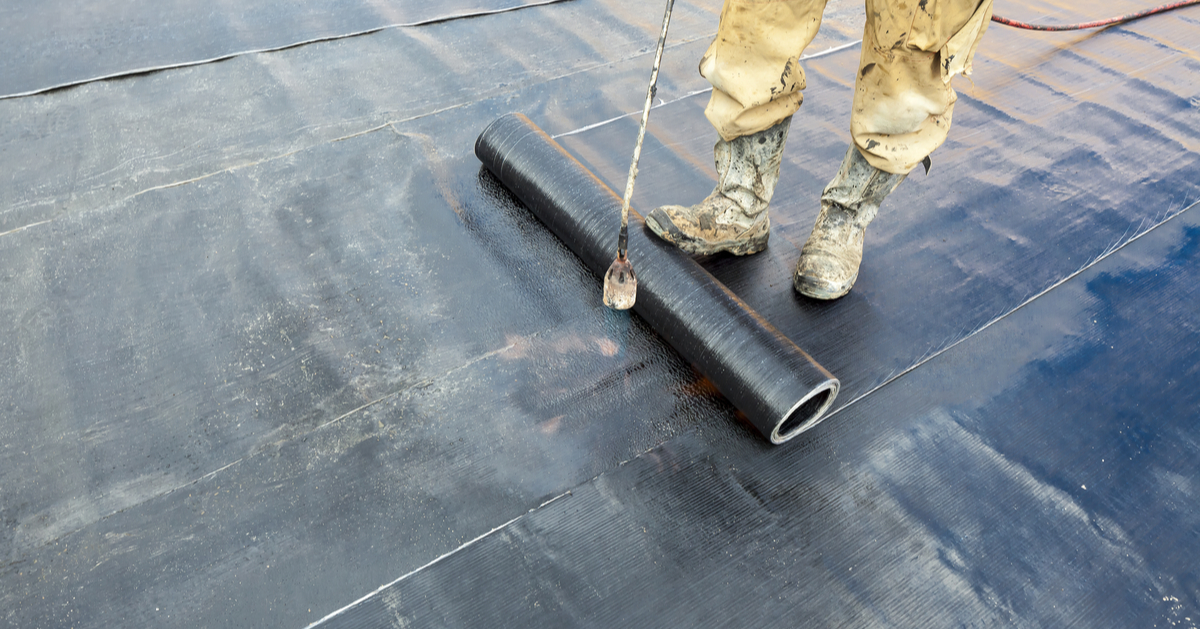
Membrane waterproofing systems function as a critical obstacle against water intrusion in different structures. These systems generally are composed of thin sheets made from products like rubber, polycarbonate, or bitumen, which are related to surfaces to protect against wetness infiltration. They can be installed over or below grade and are particularly effective in locations susceptible to high water exposure, such as basements, roofings, and foundations.The setup procedure includes cleaning the substrate, using adhesives or primers, and specifically fitting the membrane to ensure total insurance coverage. Membrane systems can be either completely adhered, mechanically connected, or laid loose, depending upon the particular demands of the task. They offer toughness and flexibility, suiting structural movements without jeopardizing their waterproofing abilities. These systems can be strengthened with additional layers for enhanced defense. Ultimately, membrane waterproofing systems are essential for safeguarding frameworks against water damages and maintaining long-lasting stability.
Liquid-Applied Waterproofing Coatings
Liquid-applied waterproofing finishings supply a functional option for shielding surfaces from water seepage - Basement waterproofing Omaha. These coatings include fluid products that, when applied, form a smooth, flexible membrane layer. Their flexibility enables for application on various substrates, consisting of concrete, steel, and wood. The finishes can be utilized in varied environments, from domestic to industrial setups, making them suitable for roof coverings, structures, and below-grade structures.One considerable benefit of liquid-applied finishings is their ability to satisfy irregular shapes and pass through splits, creating a robust barrier against dampness. They frequently exhibit exceptional attachment properties and resistance to UV radiation, making certain durability and sturdiness. Additionally, the application procedure is generally straightforward, permitting for quick installation and minimized labor expenses. This approach additionally decreases the danger of water pooling, as the constant layer efficiently guides water far from prone areas. Overall, liquid-applied waterproofing finishings are an efficient choice for detailed water defense
Cementitious Waterproofing Solutions

Cementitious waterproofing remedies supply a durable alternative for structures needing trustworthy moisture defense. These systems mostly make use of a mix of cement, sand, and chemical additives to develop a water resistant obstacle. They are frequently related to surfaces such as concrete walls, structures, and floorings, offering a long lasting, lasting protection versus water intrusion.One of the vital benefits of cementitious waterproofing is its ease of application; it can be used utilizing a brush, roller, or spray, making it appropriate for different job dimensions. Additionally, this method works with many surface areas and can often be used along with other waterproofing techniques.Cementitious options are especially reliable in atmospheres where water direct exposure is a problem, such as cellars or below-grade structures. Their outstanding bond properties assure that they bond well with substratums, providing a solid and impermeable layer versus dampness penetration.
Bentonite Waterproofing
Bentonite waterproofing is an extremely efficient technique that utilizes sodium bentonite clay to create an all-natural barrier versus water. This method exploits the special residential or commercial properties of bentonite, which expands upon call with water, securing any kind of prospective leakages and avoiding dampness seepage. It is generally used in different applications, including structure walls, tunnels, and maintaining walls, where water resistance is essential.Bentonite can be applied in several forms, such as panels or coverings, supplying convenience in setup. Its capacity to self-seal makes it an eye-catching option for areas subject to moving dirt or ever-changing water levels. Furthermore, bentonite waterproofing is eco-friendly, as it is an all-natural material that does not introduce unsafe chemicals right into the environments.
Water Drainage and Exterior Waterproofing Systems
Effective waterproofing commonly involves a mix of approaches, including water drainage and outside systems. Drain systems, such as French drains pipes and sump pumps, are designed to redirect water away from frameworks, minimizing hydrostatic pressure against foundations. These systems are crucial about his in preventing basement leak repair water accumulation that can bring about architectural damages and mold and mildew growth.External waterproofing, on the other hand, includes applying safety obstacles to the structure's outside. Techniques such as the setup of water resistant membranes, coatings, or sealants can aid stop water seepage. This technique not only protects the structure but additionally enhances the general longevity of the structure.Together, drain and outside waterproofing systems develop an extensive remedy to manage water effectively. By executing these approaches, homeowner can secure their investments versus the destructive effects of dampness, making certain long-lasting stability and safety and security for their structures.
Frequently Asked Concerns
Exactly how Do I Select the Right Waterproofing Technique for My Task?
Choosing the right waterproofing approach depends upon elements such as project type, ecological conditions, spending plan, and preferred durability. Assessing these elements permits informed choices tailored to particular requirements and needs.
Can Waterproofing Be Applied in Winter Conditions?
Waterproofing can be used in winter problems, but it requires certain products and strategies. Cold temperatures may influence curing times and attachment, demanding mindful option of products made for low-temperature application.
What Are the Common Indications of Waterproofing Failing?
Typical indications of waterproofing failing consist of visible water stains, peeling off paint, moist smells, mold and mildew growth, and cracks in wall surfaces or structures. Drainage & waterproofing company Omaha. These indicators suggest that dampness is penetrating the barrier, jeopardizing its effectiveness
How Much Time Does Waterproofing Last Before Needing Maintenance?
The long life of waterproofing differs, generally lasting in between 5 to one decade. Elements such as worldly high quality, environmental problems, and maintenance methods influence its sturdiness, necessitating periodic evaluations to ensure effective defense versus water invasion.
Are There Eco-Friendly Waterproofing Options Available?
The concern of eco-friendly waterproofing options exposes a growing passion in lasting materials (Water exterior waterproofing companies near me Solutions Omaha). Different natural compounds, such as plant-based sealants and recycled items, use effective options while lessening ecological influence, interesting environmentally aware consumers